Spotting maintenance risk during a free website audit
Maintenance risk is not always visible in day-to-day use. Here, I explain what an audit can reveal about fragile upkeep and hidden dependence on workarounds.

Share
Checking read-aloud support…
Spotting maintenance risk during a free website audit
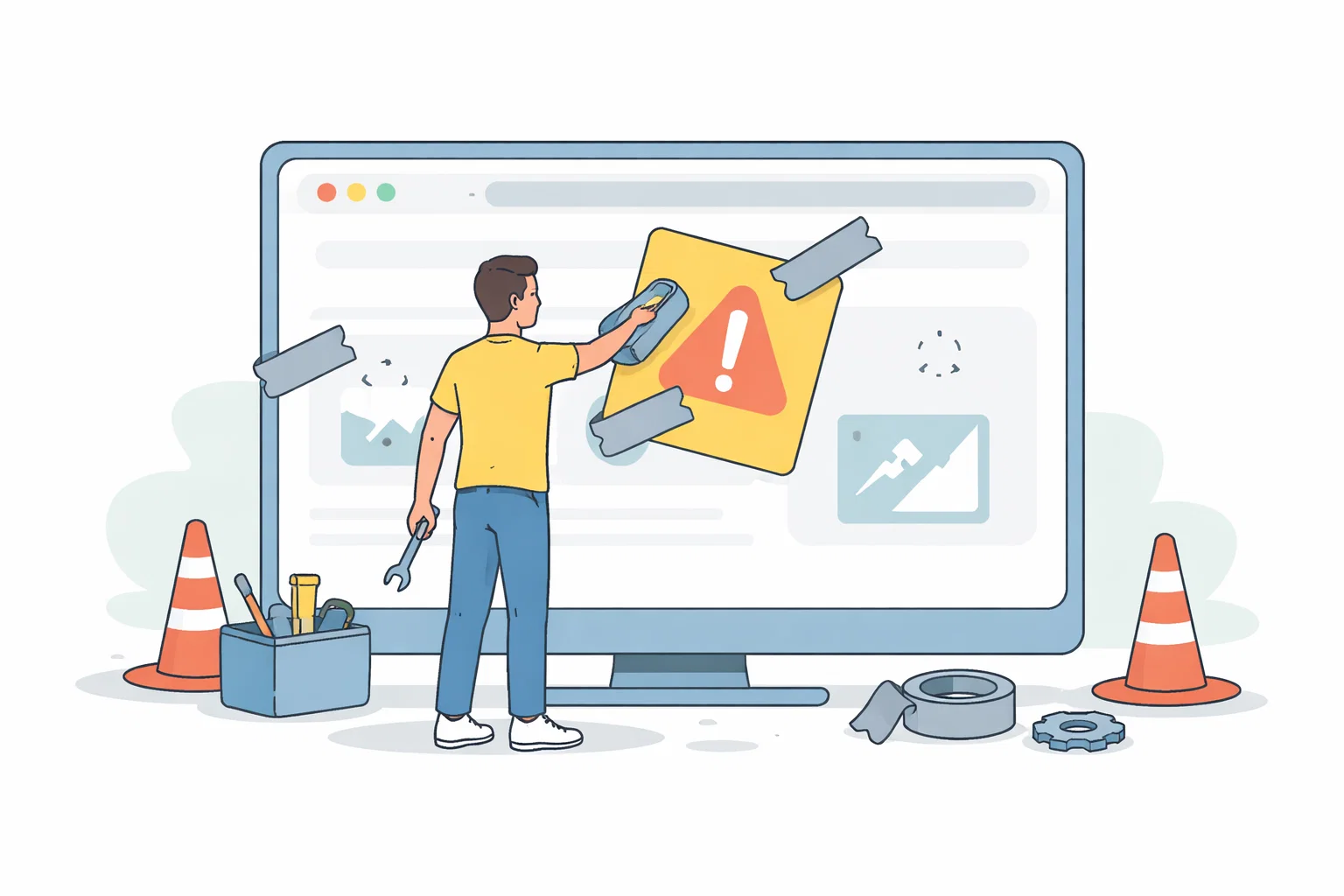
Some websites keep working only because people around them are compensating quietly. A health audit helps expose that invisible maintenance burden before it becomes a bigger failure.
That matters because fragile upkeep usually creates risk in the background long before anybody calls it a problem. In website health audits, the real aim is usually clearer priorities, better diagnosis and a more useful way to decide what to fix first. That means reviewing the page, the surrounding process and the small decisions that either support that goal or quietly work against it.
A Useful Audit Should Create Direction
The first question is usually not whether the website could be improved in theory. It is whether the current setup is making the work heavier than it needs to be. When that happens, teams often compensate with memory, caution or repeated checking instead of fixing the source of the problem.
A stronger review keeps the website anchored to the real job it needs to do. That might mean clearer upkeep, a more useful audit output, lighter performance work or calmer conversion decisions. Whatever the angle, the page becomes easier to work with once the real priority is named directly.
Review The Friction Before You Review The Styling
A useful review normally checks things in order rather than trying to solve every possible issue at once. For this topic, I would usually review:
- sections that are routinely avoided because editing feels risky
- old downloads, notices or pages nobody clearly owns
- manual workarounds keeping important functions alive
- dependencies that could fail without much warning
That sequence matters because it separates what is genuinely slowing progress from what only looks important on the surface. The clearer the order becomes, the easier it is to decide what should change now and what can wait.
Translate Findings Into Work Types
One of the easiest ways to make website work heavier is to change too much at once. Smaller, well-judged decisions tend to outperform reactive batches because they show what is actually helping. They also make approval, testing and follow-up less chaotic.
That is why I usually prefer changes that tighten the page, reduce ambiguity and remove avoidable friction before introducing more complexity. A better result often comes from taking weight out of the process rather than adding another layer to manage it.
The First Priority Should Be Obvious By The End
When this work is handled well, the effect is usually visible in more than one place. The website feels steadier to maintain, easier to understand and less likely to create the same conversation again a month later. That is a stronger outcome than a fix that looks impressive but leaves the underlying pattern untouched.
A better audit makes those risks legible enough that the follow-up work can be prioritised properly. It should become clearer who owns the next step, what improvement matters most and how the site can keep moving without unnecessary drama.
Keep The Next Step Proportionate
A good outcome here does not require turning the website into a major project again. It usually means choosing the smallest next step that removes the biggest drag on clarity, trust, performance or upkeep.
The point of a health audit is not to sound exhaustive. It is to leave the next step clearer, more proportionate and easier to justify.