Digital Fortifications 28 APR
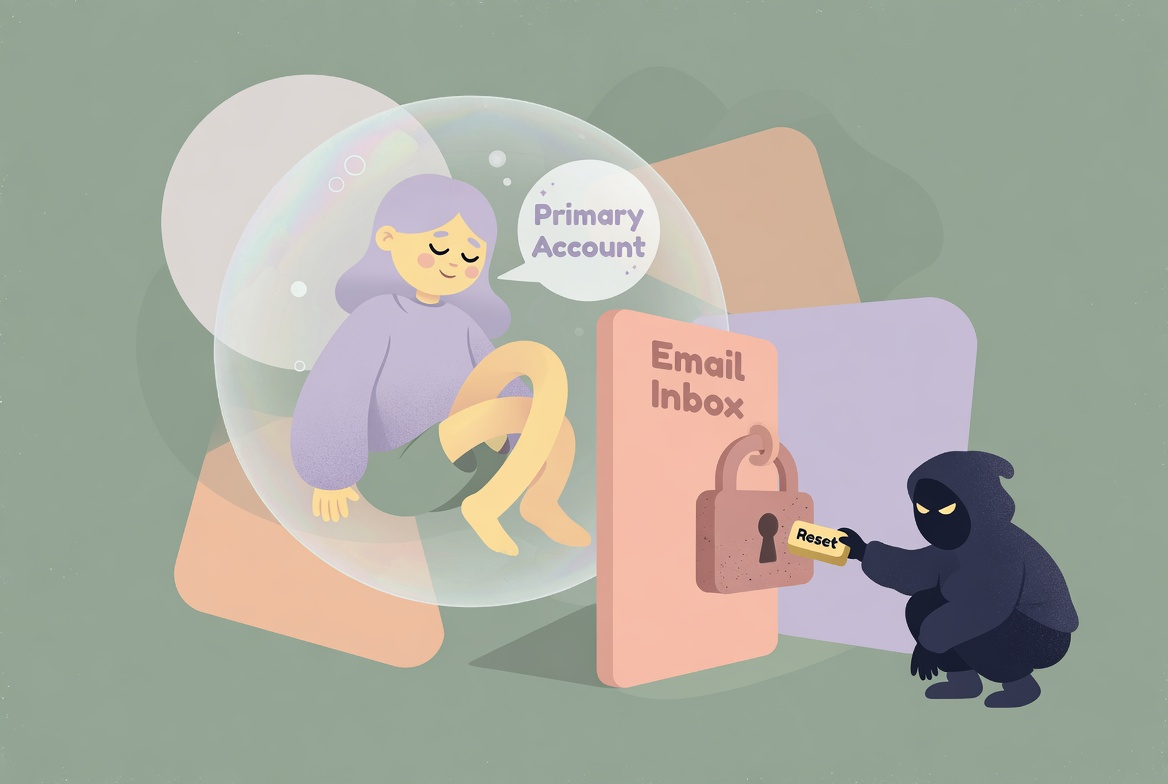 A strong separate email password starts the reset
  A strong separate email password starts the reset
 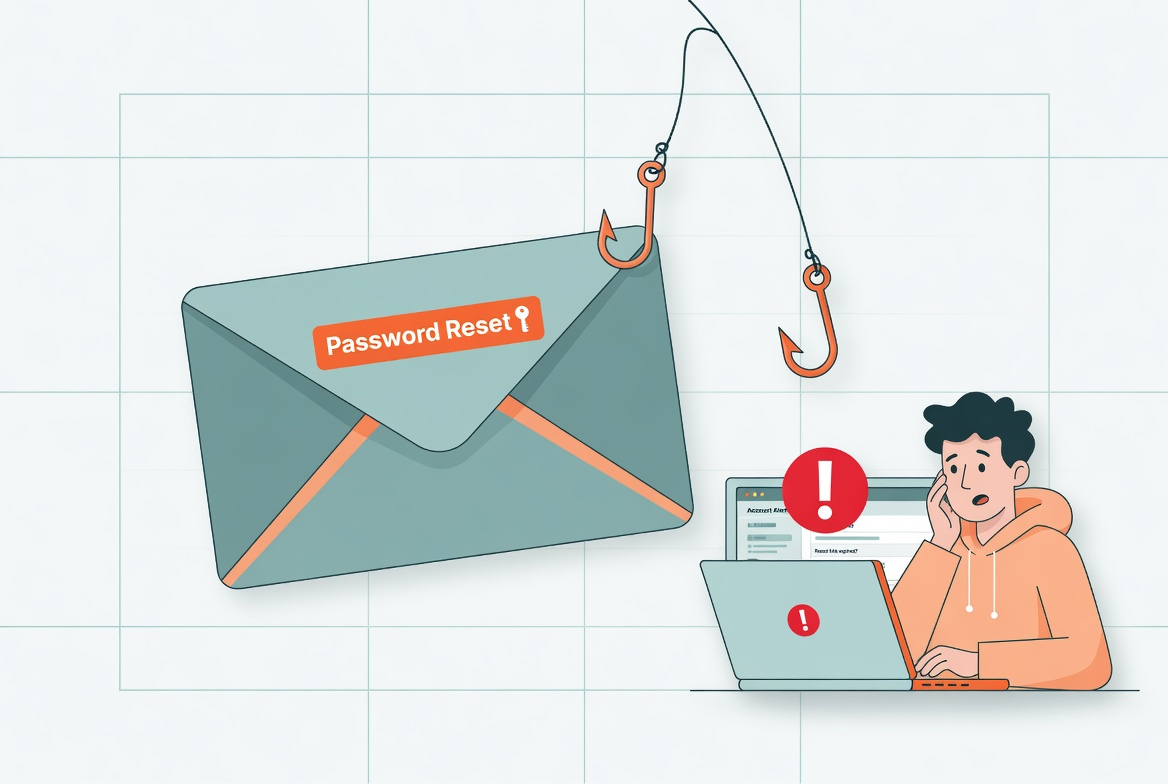 Password reset messages you should not trust on sight
  Software updates are security work, not admin
  A 2SV check for your important accounts
 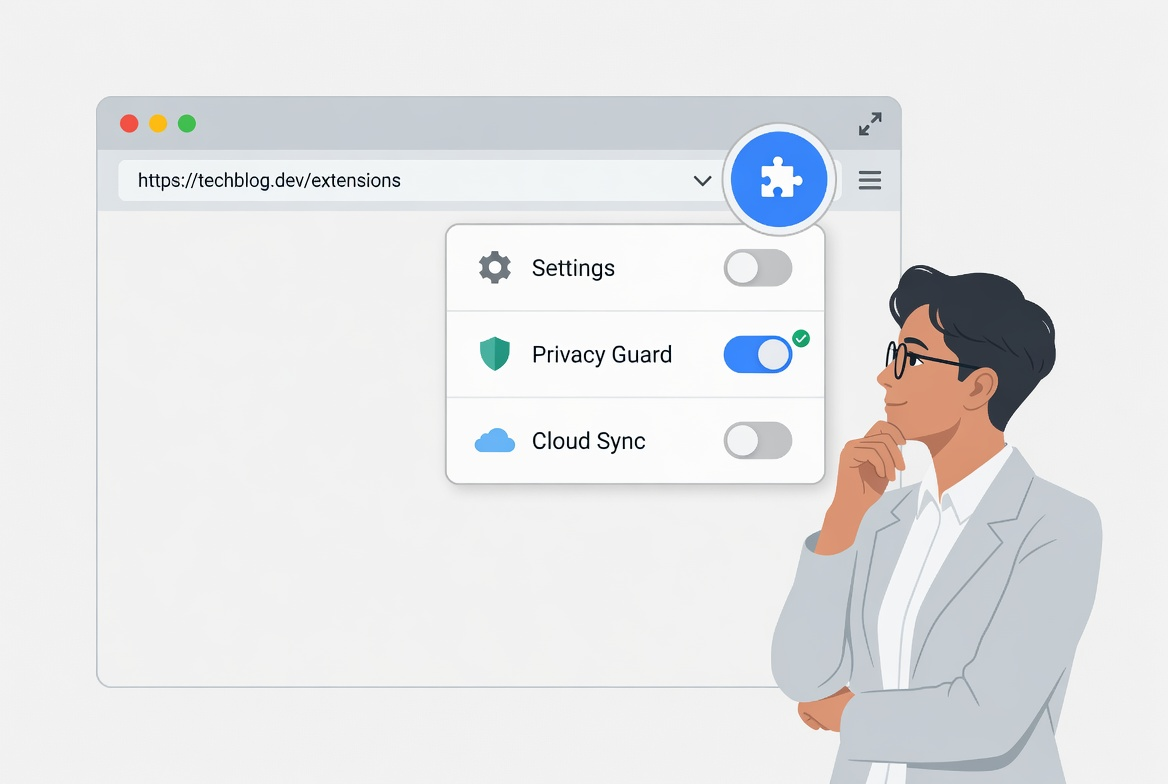 Browser extensions you forgot still have access
  Password manager setup that actually gets used
  A backup routine before you need it
  What to do first if your phone is stolen while unlocked
 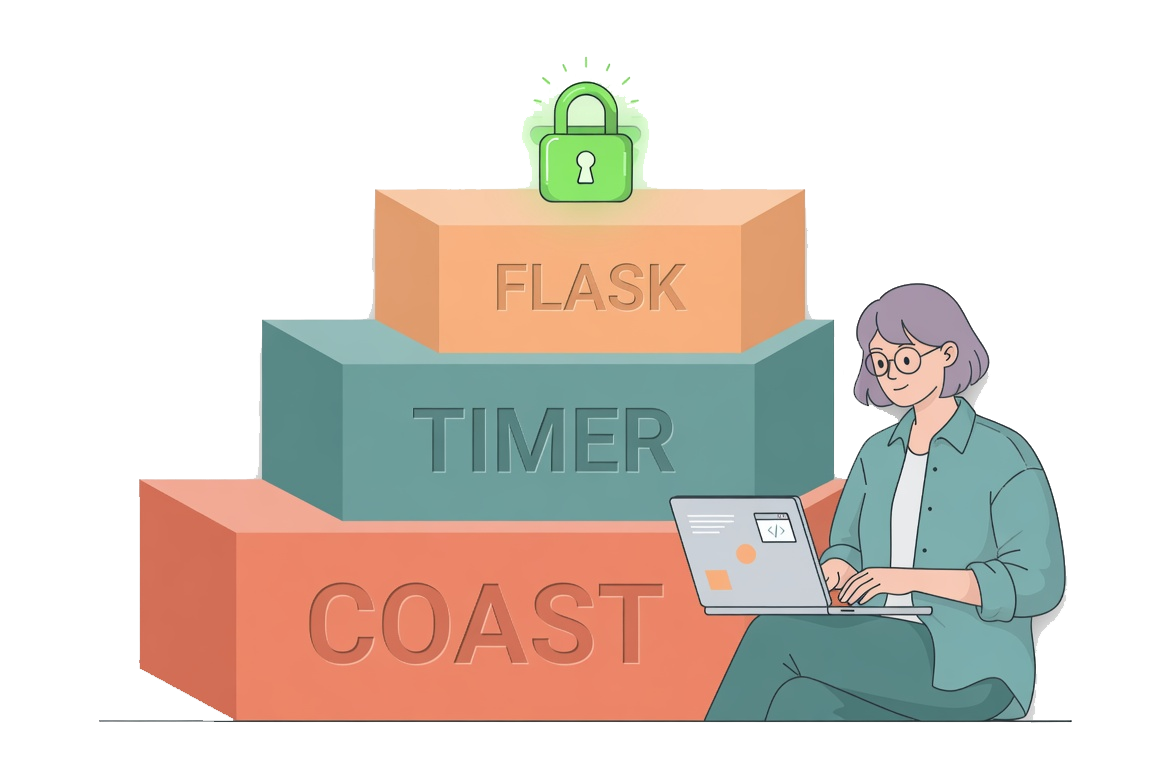 Three random words without making passwords weird
 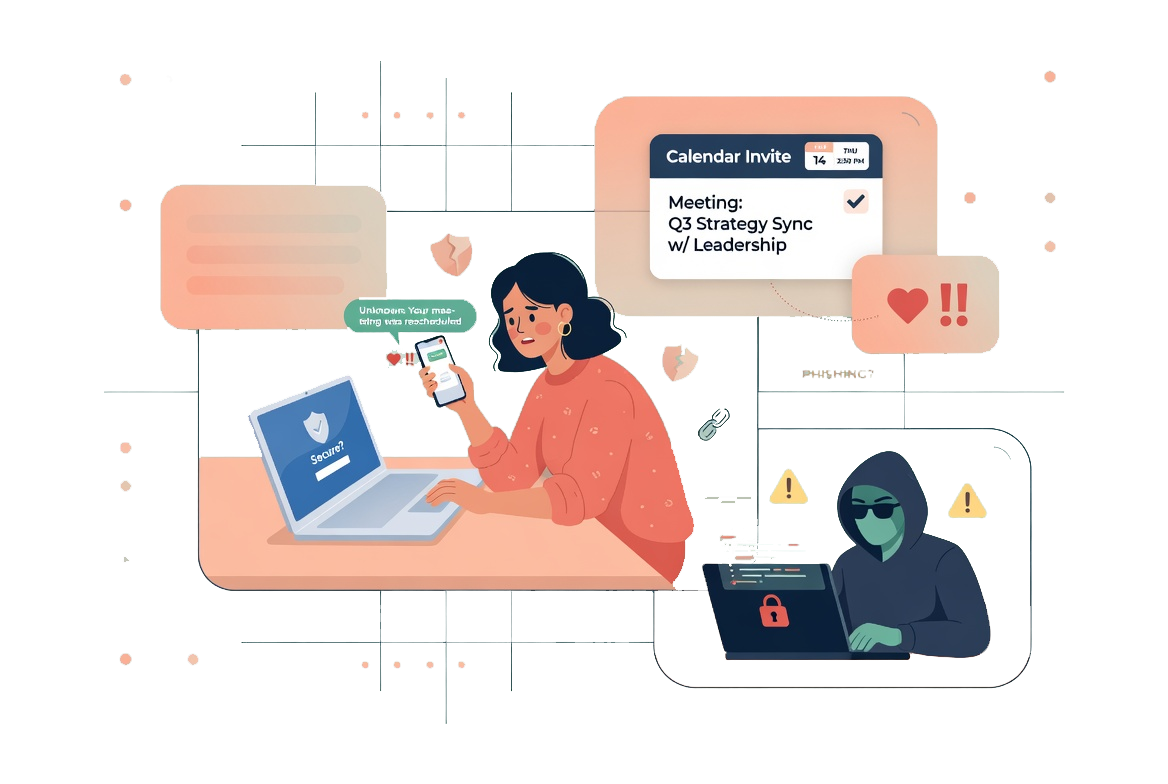 Calendar invite phishing that looks routine
 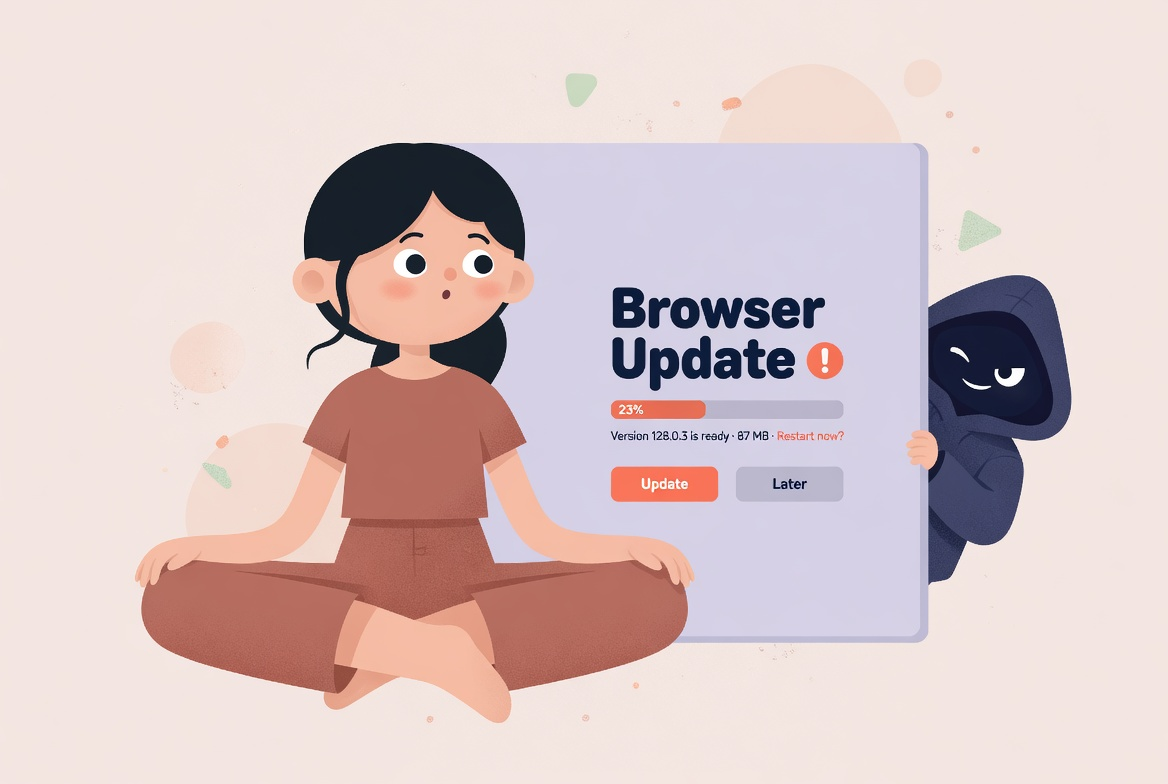 Fake browser update prompts that install more than updates
 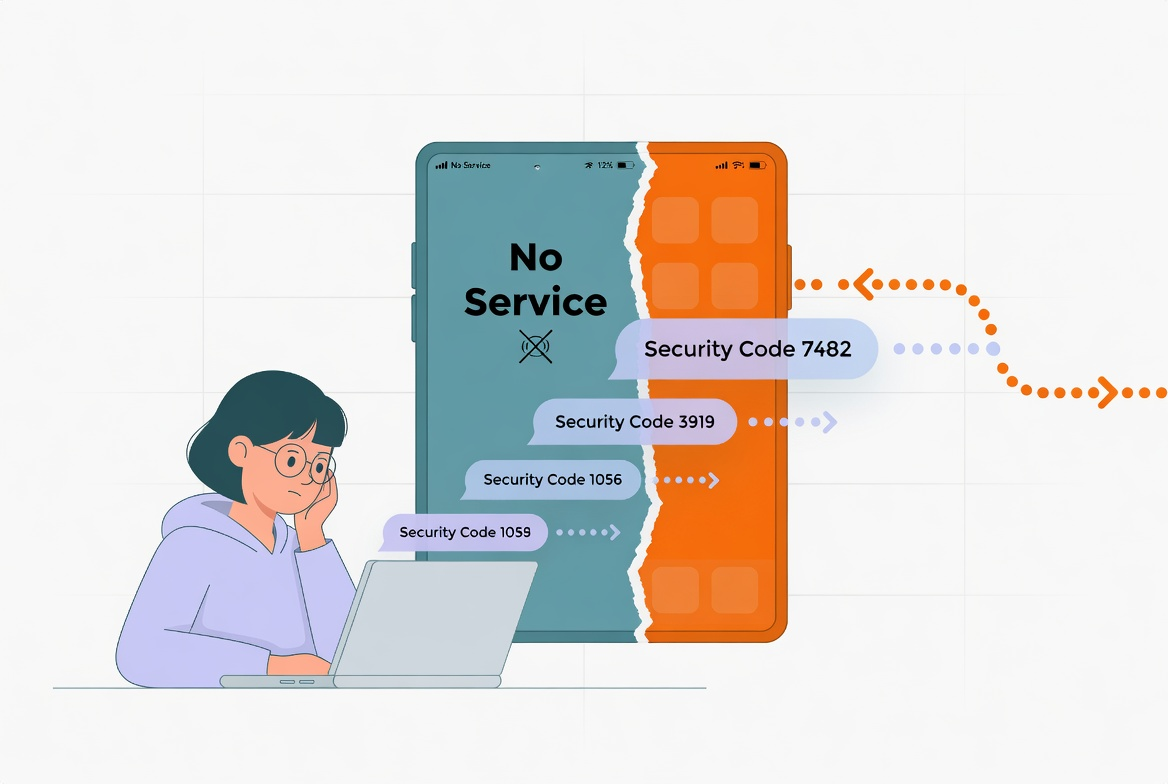 SIM-swap warning signs before lockout starts
  Charity impersonation appeals after major news
  Hotel sign-in pages and rogue network portals
  Video deepfakes: what to check before you believe them
  Marketplace payment scams before collection day
  Fake login pages that steal your second factor
  Public charging and travel network basics
  Job offer scams that look professional
  Voice-cloning scams and the family code word rule
  Fake delivery messages and what gives them away
  QR code scams in cafes, car parks and posters
  Choosing which alerts deserve you
  How to stop turning boredom into screen time
  A weekend reset for your attention
  Unfollowing noise without missing what matters
  Social app time-boxing without going cold turkey
  Home screen friction that reduces compulsive opening
  News-checking rules that stop the scroll
  The big story behind a little Blue Heart
  Evening phone boundaries that actually hold
  About Jamie: tea, trains and British weather
  What Jamie gets up to outside of work
  Why remote meetings don't feel the same
  When you're struggling on your own, start smaller than you think
  Feed pruning without disappearing from everything
  Asking for help when you do not know how to start
  Notification reset for a calmer phone
  Support does not have to start with your worst day
  Browser autofill risks and how to trim them
  Staying connected when you want to withdraw
  Cloud storage hygiene for everyday files
  How to listen without trying to solve everything
  Old account cleanup that reduces exposure
  SEO copywriting for businesses across Salisbury & the UK
  Ecommerce homepages should reduce decision fatigue
  Portfolio homepages should show the work quickly
  Responding to a broken service page when timing is tight
  Structuring charity homepages around real visitor needs
  Building a small support system when life feels heavy
  Data removal routine before you sell a device
  A website care plan should make small updates easier to trust
  Case studies need context not just screenshots
  Fast-turnaround launch pages still need a clear scope
  Donation journeys should not compete with support journeys
  Product pages need proof before persuasion
  Support can begin with one honest message
  Location sharing audit you can do in ten minutes
  What a health audit should catch before visitors do
  Category page structures that help people compare faster
  Structuring a portfolio website around the right enquiries
  What to fix first on an urgent website request
  Writing clearer service pages for community organisations
  Home device sharing settings worth reviewing
  What monthly website care should actually include
  Accessibility decisions that help small charity teams
  Checkout friction often starts before the basket
  Portfolio navigation should help visitors judge fit faster
  Working quickly with limited client availability
  Privacy permission reset for your main accounts
  Testing enquiry paths during a website health audit
  Designing event and fundraising pages without losing trust
  How to write project summaries without sounding inflated
  Temporary website fixes that should not become permanent
  Trust cues matter more when product choices overlap
  Password manager cleanup without breaking access
  Preventing support debt with smaller website fixes
  Mobile ecommerce design should prioritise momentum
  How to brief urgent website work without creating confusion
  Service-based portfolios need clearer next steps
  What volunteer recruitment pages need to explain early
  A passkey backup plan for real life
  Using a health audit to decide whether a redesign is necessary
  A portfolio site should show range without losing focus
  Filtering and sorting should support buying decisions
  Keeping community websites manageable after launch
  Protecting conversions during a rushed website change
  Account recovery checks that stop small lockouts
  When your website needs monitoring between bigger projects
  New websites that start with clarity
  Finding trust gaps through a quick website review
  Website redesigns without losing clarity
  Keeping routine content changes safe on a live site
  Website care plans that reduce risk
  Planning the pages a new website actually needs
  What a free website health audit should show
  Using real client questions to shape a new website
  Urgent web design service without chaos
  When a website redesign should simplify, not expand
  Spotting maintenance risk during a free website audit
  Web design for charities and community organisations
  Protecting trust signals during a website redesign
  How to handover website support without losing context
  Professional, brand-aligned content
  Improving website speed without rebuilding everything
  SEO research and on-page optimisation
  Turning a free audit into a clear first-fix list
  Natural tone of voice
  Reclaiming Your Attention: Small Digital Habits That Make a Big Difference
  Performance fixes visitors actually feel
  Good Coding Habits vs Bad Coding Habits
  The Atomic Mandate: Engineering Certainty in the Quantum Era.
  Why some service pages attract attention but not enquiries
  Astro workflows for fast publishing
  Browser security tools that actually help
  Cookie-less analytics for small sites
  Privacy tune-ups in 15 minutes
  Data privacy audits for small websites
  Public Wi-Fi safety baseline
  Security audit 2026 baseline
  UI component library rules I follow
  Spot the Signs: Urgency, trust signals and authority
  Reducing image weight without flattening the design
  Making calls to action easier to say yes to
  General coding checklist before shipping
  Staying safe online: quick baseline
  Welcome to my blog
  What to check before blaming hosting for slow pages
  Positioning proof where visitors need reassurance most
  Simpler page structure can improve performance too
  Using page sequence to reduce hesitation
  How third-party tools quietly slow a website down
  How to scope a website project before design starts
  Improving enquiry forms without making them vague
  Choosing the pages a website actually needs
  Prioritising mobile performance when time is limited
  Turning stakeholder ideas into a usable site structure
  Clear evidence usually converts better than clever copy
  Writing a website brief that reduces revisions
  Mapping user questions before planning content
  How to spot the page sections where people lose confidence
  Deciding what belongs on the homepage and what does not
  Planning a website launch around priorities not panic
  What makes a service page easier to act on
  Reducing friction in enquiry forms without losing quality
  Improving calls to action without making the page pushy
  Where trust signals should sit on conversion-focused pages
  Using page hierarchy to help visitors decide faster
  Fixing navigation paths that make users hesitate
  Why clarity improves conversion more than clever design
  What small business websites should prioritise first
  Choosing a site structure small teams can maintain
  How to show credibility on a simple business website
  Building service pages when time and budget are limited
  Writing a homepage for a local small business
  Avoiding feature bloat on a small business site
  When a small business should expand beyond a brochure site
  Choosing blog topics that support your services
  How to turn common client questions into useful articles Planning a simple editorial calendar for a small site
  Writing articles that strengthen service page relevance
  Linking blog content without making it feel forced
  Updating old articles instead of constantly starting over
  Measuring content usefulness beyond page views
  What usually slows a small business website down
  Image handling fixes that improve load time quickly
  Reducing script weight without breaking the site
  How page speed affects trust as well as rankings
  Deciding which performance issues matter first
  Making mobile pages feel faster without a full rebuild
  When performance problems are really architecture problems
  What local SEO signals matter on service pages
  Building location relevance without duplicating pages
  Keeping your website and Google presence aligned
  How to structure local landing pages carefully
  Using internal links to strengthen local visibility
  Writing location-aware copy that still sounds natural
  When local SEO should focus on trust not expansion
  What a website audit should prioritise first
  Separating technical issues from messaging issues
  How to turn audit findings into a realistic action plan
  Spotting weak pages that quietly block enquiries
  Deciding what to fix now and what can wait
  Using audits to improve clarity not just compliance
  Why small iterative fixes often beat a full rebuild
  What website data is actually useful for decisions
  Reading behaviour patterns without overreacting
  Choosing growth metrics that match the site purpose
  Finding pages worth improving from search and engagement data
  Using scroll and click data with common sense
  When analytics should change content decisions
  Building a monthly website review that leads to action