Notification reset for a calmer phone
Notifications shape attention far more than most people consciously notice. Here, I explain how to reset them so the phone stops acting like every interruption deserves equal weight.

Share

Checking read-aloud support…
Why This Topic Matters
A noisy phone makes every small decision feel urgent. The problem is not just the number of alerts. It is the way constant interruption teaches your brain to stay in a half-ready state where checking becomes automatic.
That is why a notification reset is such a useful first step. It changes the environment around your attention instead of asking you to rely on willpower every five minutes.
What To Check First
When I want this kind of review to stay practical, I start with the places where drift usually hides.
That means checking:
- apps that interrupt for marketing rather than usefulness
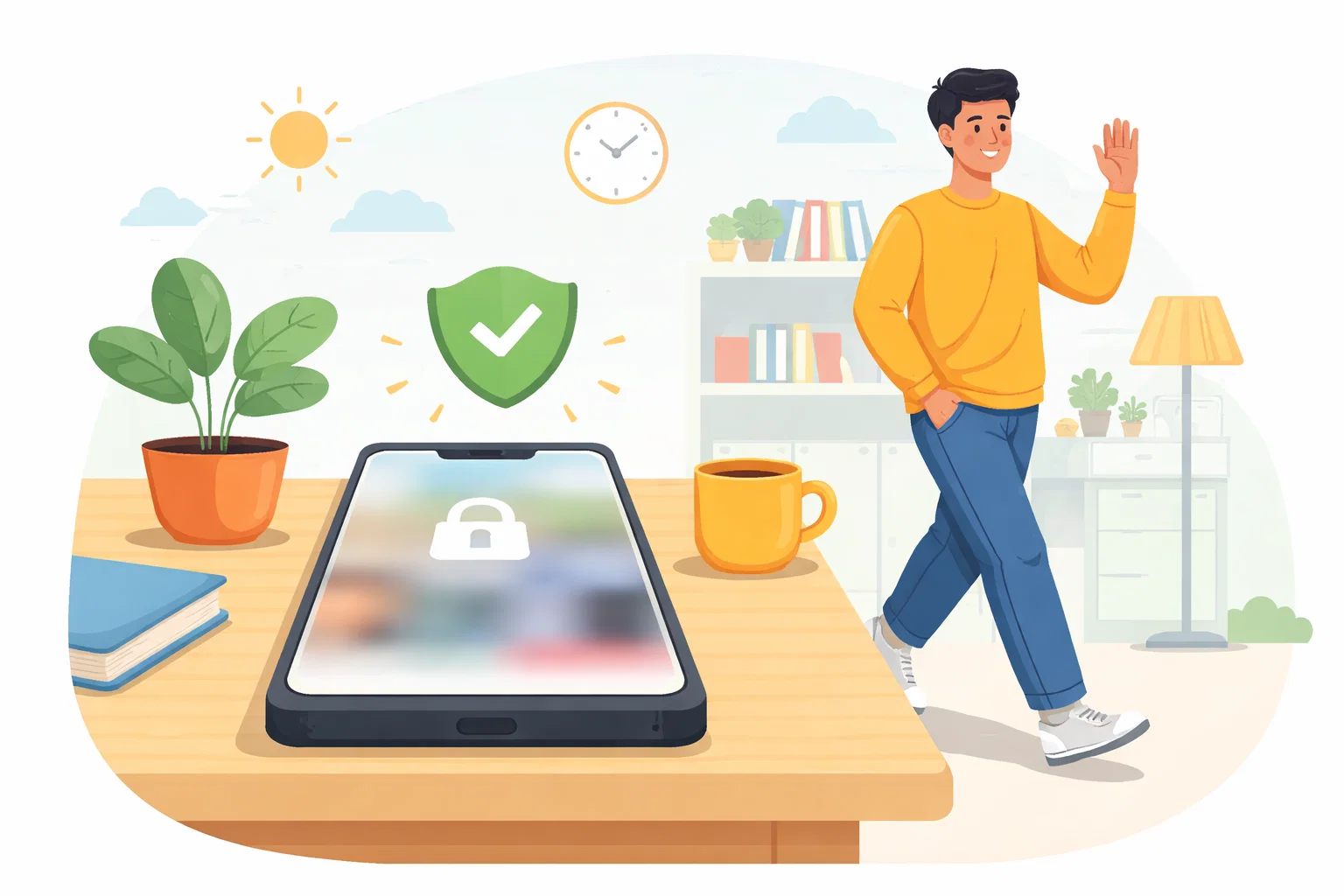
- lock-screen previews that reveal more than you want in public
- group chats or social apps that are allowed to override everything else
- alerts that arrive so often you stopped noticing what they are for
The point is not to inspect every possible edge case in one sitting. It is to surface the obvious points where convenience has quietly expanded risk.
Build A Repeatable Routine
Good security and attention habits are easier to keep when the routine is short enough to repeat and specific enough to survive a busy day.
The routine I would use here is:
- turn off the loudest non-essential categories first
- keep only time-sensitive alerts immediate
- move the rest into scheduled summaries or quiet delivery
- review the phone again after a week to see which alerts you genuinely missed
A short routine is valuable because it lowers the odds that this review gets postponed until something has already gone wrong.
What Usually Goes Wrong
The common mistake is treating every notification as if it were a message from a person. Many are simply prompts from systems competing for re-entry into your day.
This is why I prefer smaller, repeatable maintenance over dramatic resets. People are much more likely to keep a system healthy if the work feels proportionate.
A Better Baseline
A calmer phone does not come from ignoring your habits alone. It comes from changing the alert pattern so your attention is not constantly being summoned.
That is the standard I care about: not performative complexity, but a setup that is easier to trust because it has been reviewed deliberately.