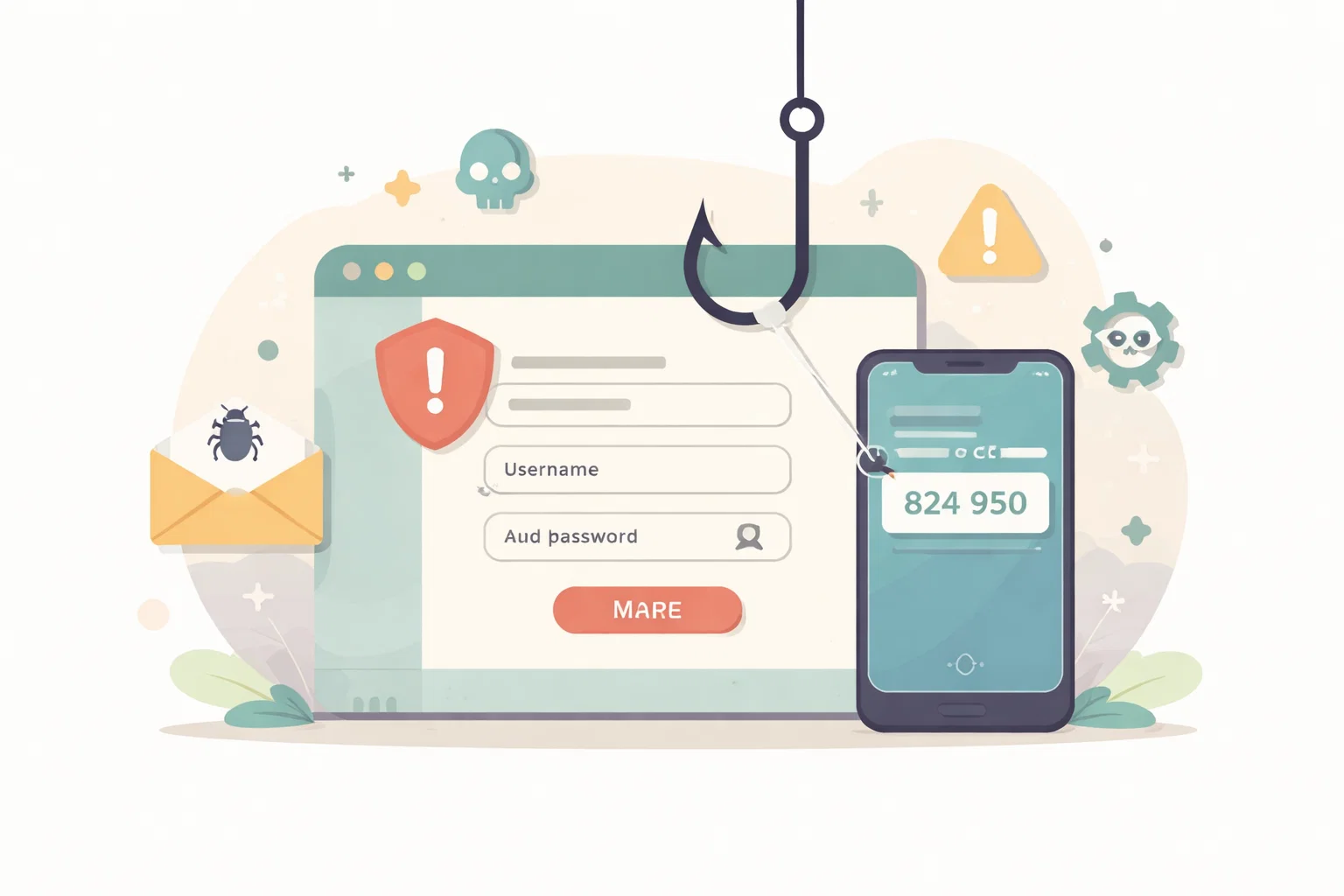
Spot the Signs: Urgency, trust signals and authority
AI-generated scams work because they imitate urgency, authority and familiarity at speed. Here, I show the patterns I look for when I need to spot manipulation quickly.

Share

Checking read-aloud support…
How I Recognise Manipulated Messages Online
Every day we receive messages asking us to act quickly, trust unfamiliar sources, or respond to urgent requests. Many of these are harmless, but some are carefully designed to manipulate our instincts. Over time, I’ve learned that the most convincing deceptive messages rely on a few predictable tactics: fake urgency, synthetic trust signals, and manipulated authority.
Understanding these patterns makes it much easier to pause, think critically, and avoid being misled.
Fake Urgency: Forcing You to Act Before You Think
One of the oldest tricks in the book is urgency. Messages that claim something must be done immediately are trying to bypass careful thinking. They often include phrases like:
- “Your account will be suspended today.”
- “Immediate action required.”
- “Respond within 30 minutes to avoid losing access.”
The goal is simple: push you into acting quickly so you don’t stop to verify the information. Real organisations rarely rely on sudden, high-pressure demands through random messages. When I see urgency used this way, it’s usually the first sign that something isn’t right.
Synthetic Trust Signals: Manufactured Credibility
Many deceptive messages try to look trustworthy by borrowing the appearance of legitimate institutions. Logos, official-looking language, and polished formatting can create a false sense of legitimacy.
These signals are easy to manufacture. A convincing logo or email layout does not prove the sender is authentic. Instead of trusting appearances, it’s far more reliable to check the source itself — the email address, the website domain, or the communication channel being used.
In digital environments, credibility can be simulated surprisingly well, which means visual polish should never be mistaken for proof.
Manipulated Authority: Borrowing Power From Recognised Names
Another common tactic is to invoke authority. Messages might claim to come from:
- a bank or government agency
- a workplace manager or senior executive
- a well-known company or service
By referencing authority, the sender hopes the recipient will comply without questioning the request.
But authority can also be impersonated. Attackers frequently use familiar names or titles to make a request appear legitimate. Whenever a message relies heavily on status or position to demand action, it’s worth slowing down and verifying the claim independently.
A Simple Habit That Changes Everything
The most powerful defence against these tactics is surprisingly simple: pause before responding.
Urgency, trust signals, and authority cues are designed to trigger quick reactions. Taking even a few seconds to question the message can break the illusion. Ask yourself:
- Is the urgency reasonable?
- Does the source actually match the organisation it claims to represent?
- Is there another way to verify the request?
Often, those few questions are enough to reveal the manipulation.
Digital Awareness Is a Skill
Recognising these patterns isn’t about paranoia. It’s about developing the same kind of awareness we use in the physical world — noticing when something feels slightly off and taking a moment to look closer.
As digital communication continues to evolve, so will the methods used to deceive. But the underlying strategies remain surprisingly consistent. Once you learn to spot fake urgency, synthetic trust signals, and manipulated authority, many suspicious messages become much easier to recognise.
And sometimes the most effective response is simply the most straightforward one: slow down, verify the source, and don’t let someone else’s urgency dictate your actions.