Location sharing audit you can do in ten minutes
Location sharing often expands by habit rather than intention. Here, I outline a ten-minute audit for checking who can see your location, when, and for what reason.

Share
Checking read-aloud support…
Why This Topic Matters
Location settings are a good example of how a sensible permission can become an oversized one. A map app needs access at the right moment. That does not mean half your phone needs continuous visibility into where you are.
Over time, a mix of convenience features, family settings and background app prompts can turn precise location data into something far more widely shared than you would choose if you reviewed it calmly from scratch.
What To Check First
When I want this kind of review to stay practical, I start with the places where drift usually hides.
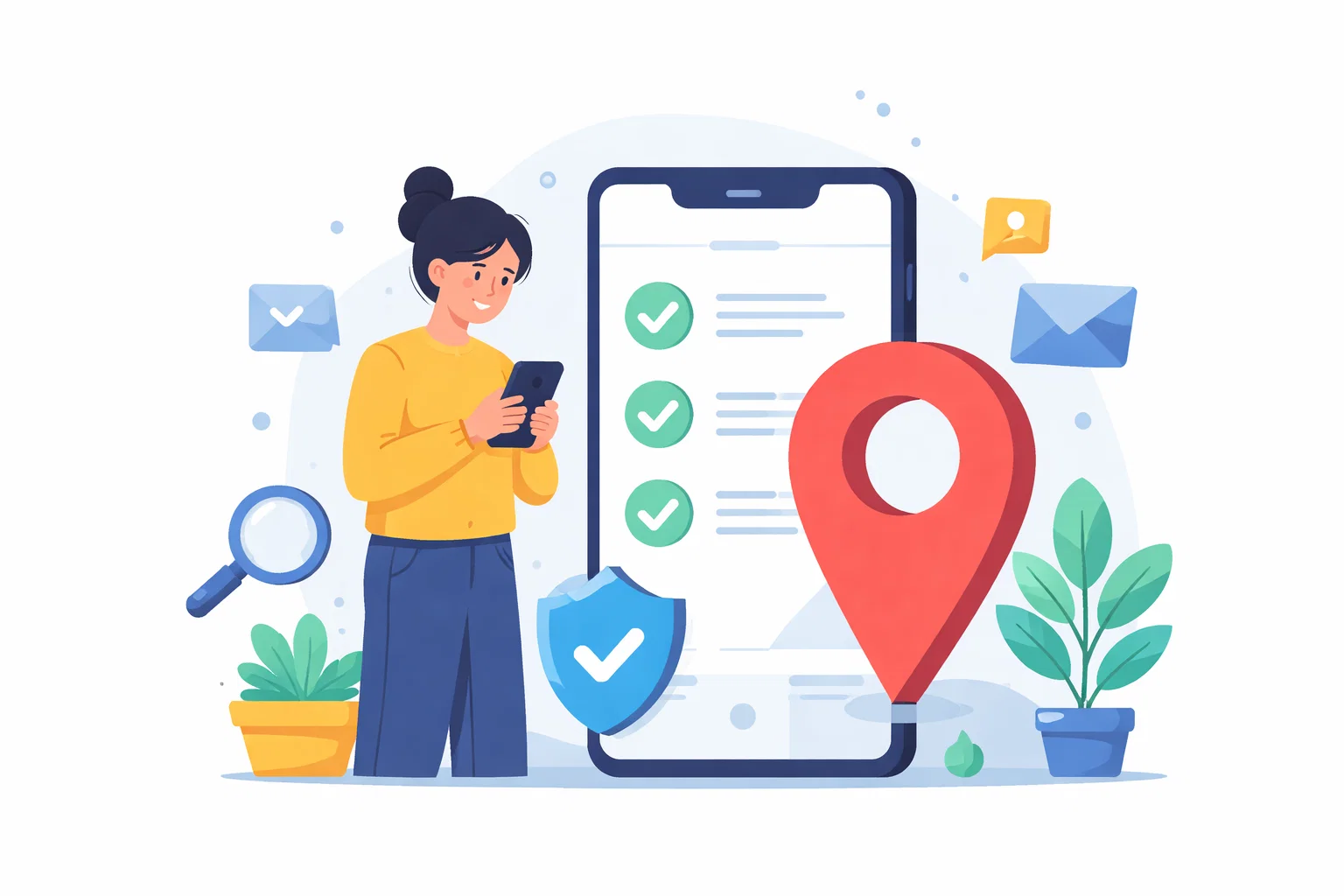
That means checking:
- which apps have always-on location access
- which contacts or family groups can see live location
- whether any app uses precise location when approximate would do
- whether old automations or reminders still rely on location triggers
The point is not to inspect every possible edge case in one sitting. It is to surface the obvious points where convenience has quietly expanded risk.
Build A Repeatable Routine
Good security and attention habits are easier to keep when the routine is short enough to repeat and specific enough to survive a busy day.
The routine I would use here is:
- start with the phone operating system overview rather than app-by-app digging
- switch anything unnecessary from always to while-using or never
- review people-sharing lists separately from app permissions
- keep one note of the few cases where permanent access is genuinely useful
A short routine is valuable because it lowers the odds that this review gets postponed until something has already gone wrong.
What Usually Goes Wrong
The mistake is not sharing location. The mistake is forgetting where that sharing now exists. When visibility is scattered across family tools, messaging apps and background permissions, people often lose track of the full picture.
This is why I prefer smaller, repeatable maintenance over dramatic resets. People are much more likely to keep a system healthy if the work feels proportionate.
A Better Baseline
A quick location audit restores intention. It makes sure the people and apps that can see you are still the ones you would choose today.
That is the standard I care about: not performative complexity, but a setup that is easier to trust because it has been reviewed deliberately.