Fake delivery messages and what gives them away
Delivery texts and emails are effective because they arrive inside a believable everyday context. Here, I explain the signs that separate ordinary shipping updates from account and payment traps.

Share
Checking read-aloud support…
Why This Topic Matters
Delivery scams are persuasive because they borrow a normal modern expectation: people are often waiting for something. That means the message does not need a brilliant story. It only needs to arrive at the right moment with a small enough prompt to trigger a click.
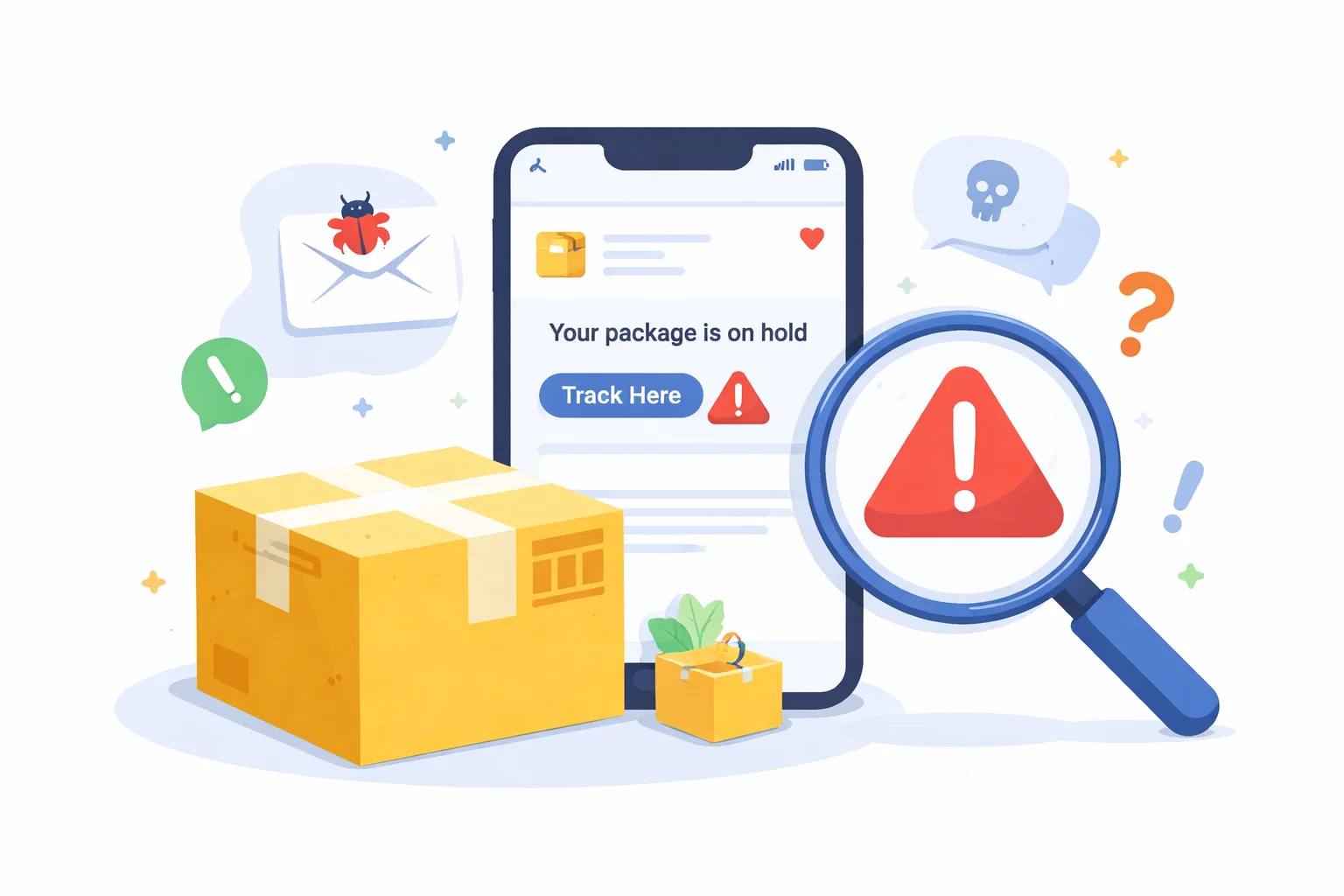
The lure might be a missed parcel, a customs payment, an address issue or a tracking update. The pattern is consistent: mild urgency, a convenient link and a request that nudges you into acting before you verify.
What To Check First
When I want this kind of review to stay practical, I start with the places where drift usually hides.
That means checking:
- messages from generic numbers or odd email domains
- links that do not match the named courier clearly
- requests for card details to release a low-value parcel
- language that pushes urgency without giving a verifiable tracking route
The point is not to inspect every possible edge case in one sitting. It is to surface the obvious points where convenience has quietly expanded risk.
Build A Repeatable Routine
Good security and attention habits are easier to keep when the routine is short enough to repeat and specific enough to survive a busy day.
The routine I would use here is:
- open the courier app or website directly instead of following the message link
- cross-check whether you were genuinely expecting a parcel
- treat customs-fee prompts as suspicious unless you can verify them from the courier account itself
- report and delete once you know it is fake rather than keeping it around
A short routine is valuable because it lowers the odds that this review gets postponed until something has already gone wrong.
What Usually Goes Wrong
The common mistake is not ignorance. It is timing. People click because the scenario feels routine and the action feels small. That combination is what makes the scam effective.
This is why I prefer smaller, repeatable maintenance over dramatic resets. People are much more likely to keep a system healthy if the work feels proportionate.
A Better Baseline
A good delivery check is simple: if the message matters, you should be able to verify it without using the link it provided.
That is the standard I care about: not performative complexity, but a setup that is easier to trust because it has been reviewed deliberately.