Public charging and travel network basics
Airports, stations and hotels create exactly the kind of hurried environment where bad device decisions happen. Here, I cover the basic habits that keep public charging and travel connectivity lower-risk.

Share
Checking read-aloud support…
Why This Topic Matters
Travel compresses time and attention. People are navigating directions, tickets, delays and unfamiliar spaces, which makes it much easier to accept whatever connection or charging option appears easiest in the moment.
That is why public charging and public connectivity should be treated as one practical travel baseline. You are not assuming disaster. You are simply accounting for the fact that tired, rushed people make poorer trust decisions.
What To Check First
When I want this kind of review to stay practical, I start with the places where drift usually hides.
That means checking:
- whether you have your own charger and cable before you leave home
- whether a public network can be replaced by tethering for higher-value tasks
- whether the device is prompting for data access when connected to power
- whether travel urgency is pushing you toward shortcuts you would avoid elsewhere
The point is not to inspect every possible edge case in one sitting. It is to surface the obvious points where convenience has quietly expanded risk.
Build A Repeatable Routine
Good security and attention habits are easier to keep when the routine is short enough to repeat and specific enough to survive a busy day.
The routine I would use here is:
- carry your own charging block where possible
- prefer power-only charging behaviour and decline data prompts
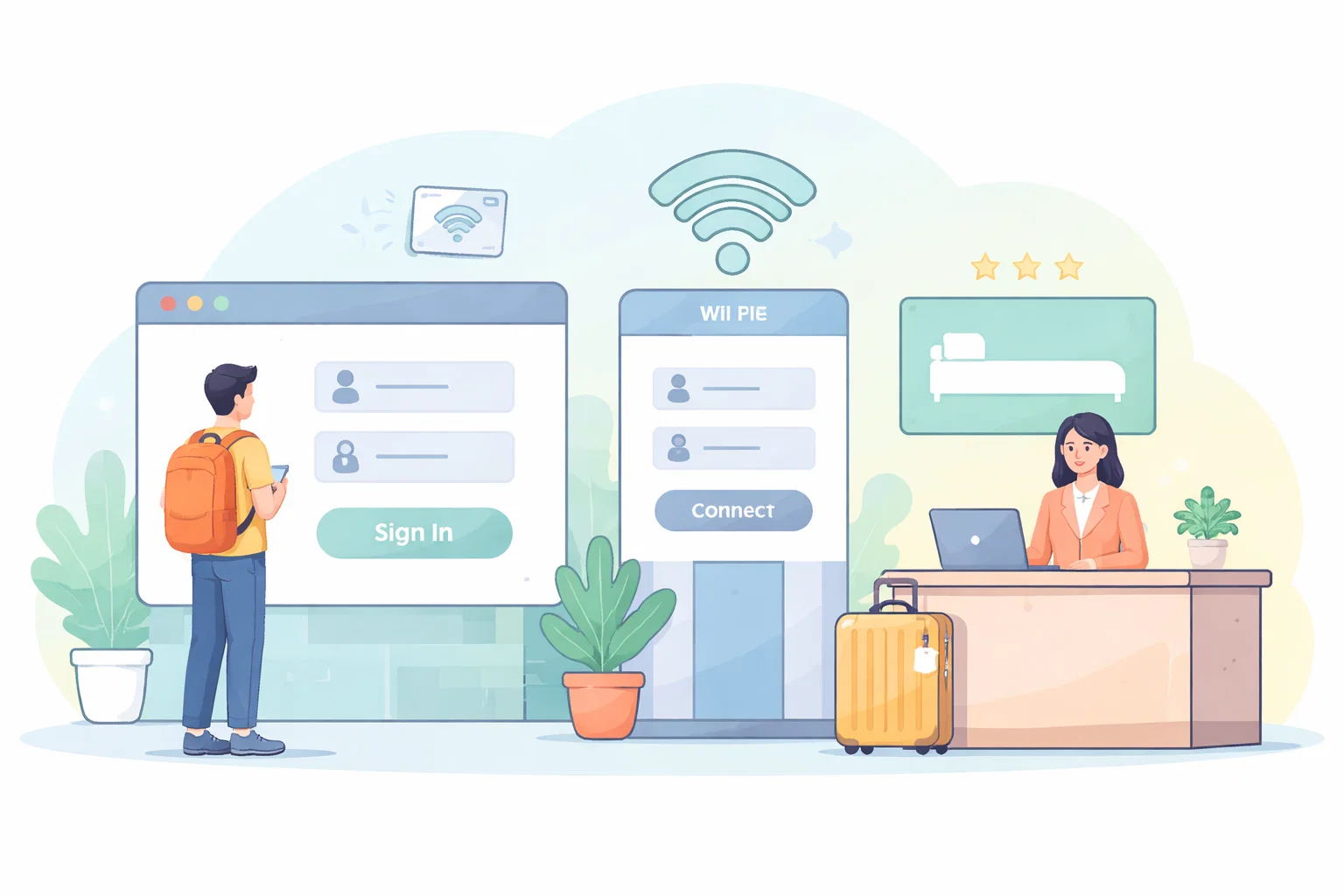
- use public networks for lower-risk browsing rather than sensitive account admin
- treat travel hubs as places to simplify device behaviour, not expand it
A short routine is valuable because it lowers the odds that this review gets postponed until something has already gone wrong.
What Usually Goes Wrong
The common mistake is assuming each small shortcut is harmless because the environment feels normal. The real issue is accumulation: public power, public Wi-Fi, low battery and time pressure all together create a worse decision context.
This is why I prefer smaller, repeatable maintenance over dramatic resets. People are much more likely to keep a system healthy if the work feels proportionate.
A Better Baseline
A good travel baseline is about reducing dependence on unfamiliar infrastructure. The calmer your setup, the less leverage a rushed environment has over your choices.
That is the standard I care about: not performative complexity, but a setup that is easier to trust because it has been reviewed deliberately.