Job offer scams that look professional
Job scams increasingly borrow polished branding, tidy emails and believable recruiter language. Here, I cover the checks that expose them before they waste time or steal data.

Share
Checking read-aloud support…
Why This Topic Matters
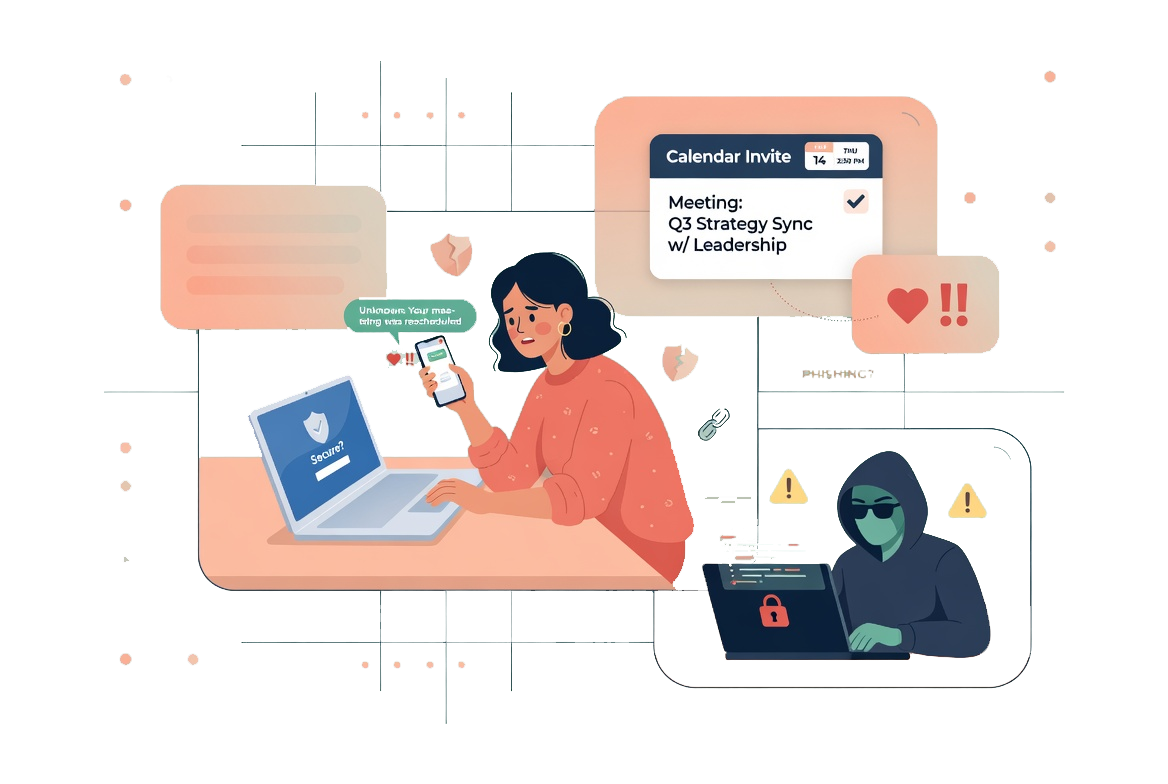
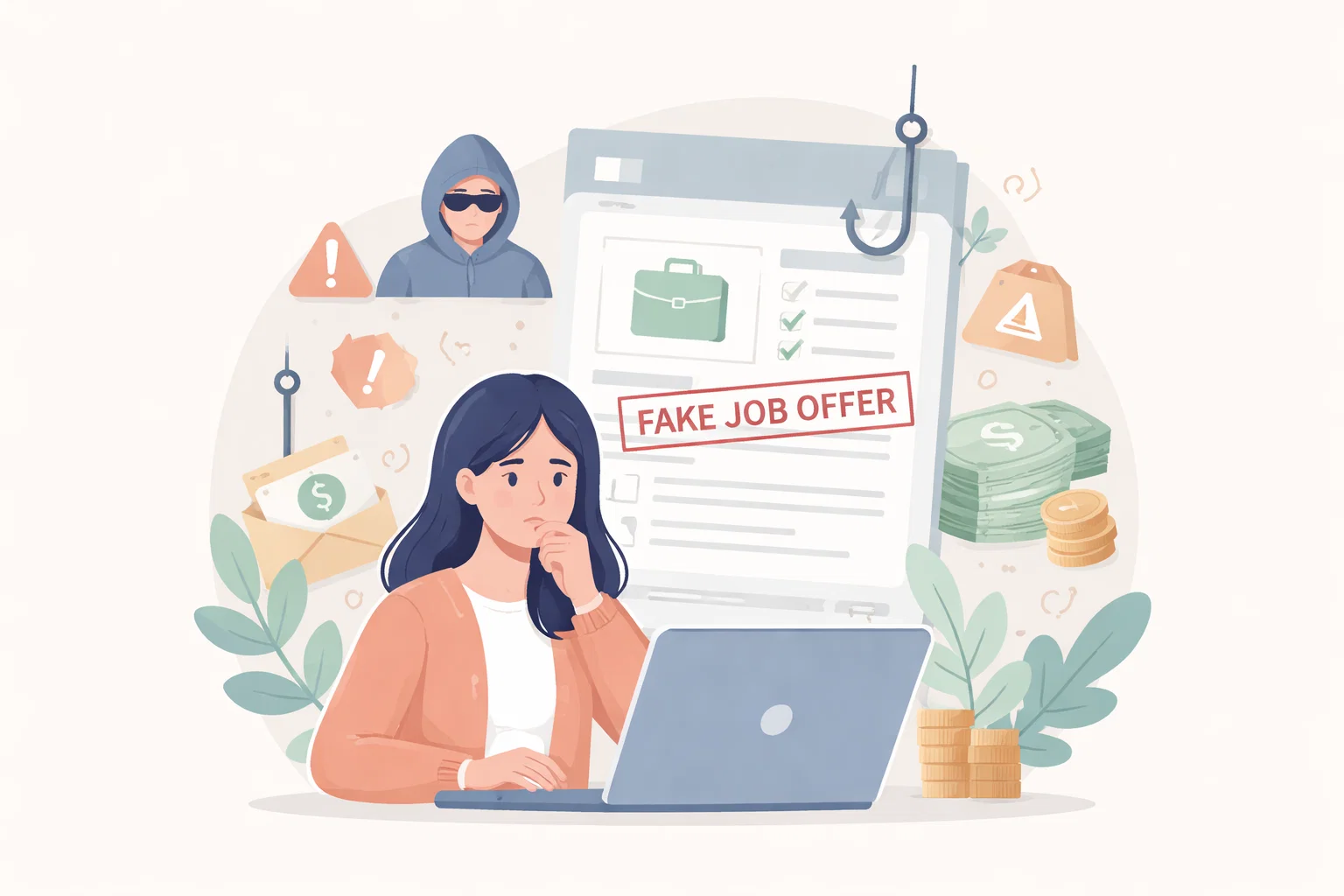
Job offer scams have improved because they no longer rely on obviously broken grammar alone. Many now look organised, specific and professionally branded enough to slip past people who are busy or hopeful.
That does not make them sophisticated in every respect. It usually means the presentation is polished while the verification trail remains weak, inconsistent or oddly urgent once you inspect it closely.
What To Check First
When I want this kind of review to stay practical, I start with the places where drift usually hides.
That means checking:
- company domains that do not match the public employer website
- interviews or offers that jump straight to paperwork without a real process
- requests for identity documents earlier than they should appear
- pressure to communicate only through one unusual messaging channel
The point is not to inspect every possible edge case in one sitting. It is to surface the obvious points where convenience has quietly expanded risk.
Build A Repeatable Routine
Good security and attention habits are easier to keep when the routine is short enough to repeat and specific enough to survive a busy day.
The routine I would use here is:
- verify the recruiter and vacancy on the company’s own website
- check whether the role appears anywhere outside the message that reached you
- slow down before sharing CV supplements, references or ID scans
- treat early requests for payments, gift cards or equipment purchases as immediate red flags
A short routine is valuable because it lowers the odds that this review gets postponed until something has already gone wrong.
What Usually Goes Wrong
The common mistake is assuming a polished tone equals a legitimate process. Real employers can sound casual. Scammers can sound immaculate. Verification has to sit above presentation.
This is why I prefer smaller, repeatable maintenance over dramatic resets. People are much more likely to keep a system healthy if the work feels proportionate.
A Better Baseline
A job opportunity should become more credible as you verify it, not less. If scrutiny makes the story wobble, the offer is telling you what it is.
That is the standard I care about: not performative complexity, but a setup that is easier to trust because it has been reviewed deliberately.