Calendar invite phishing that looks routine
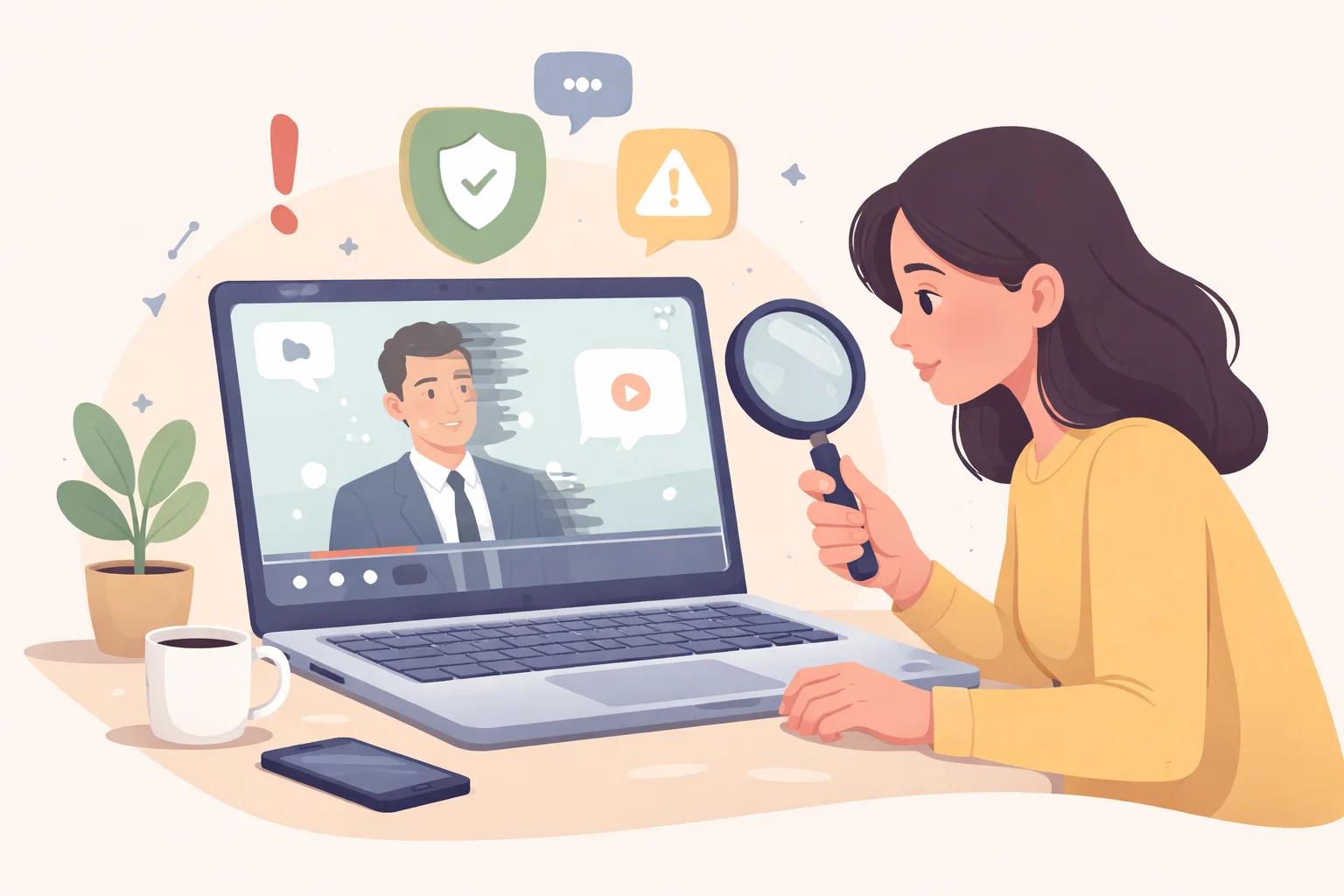
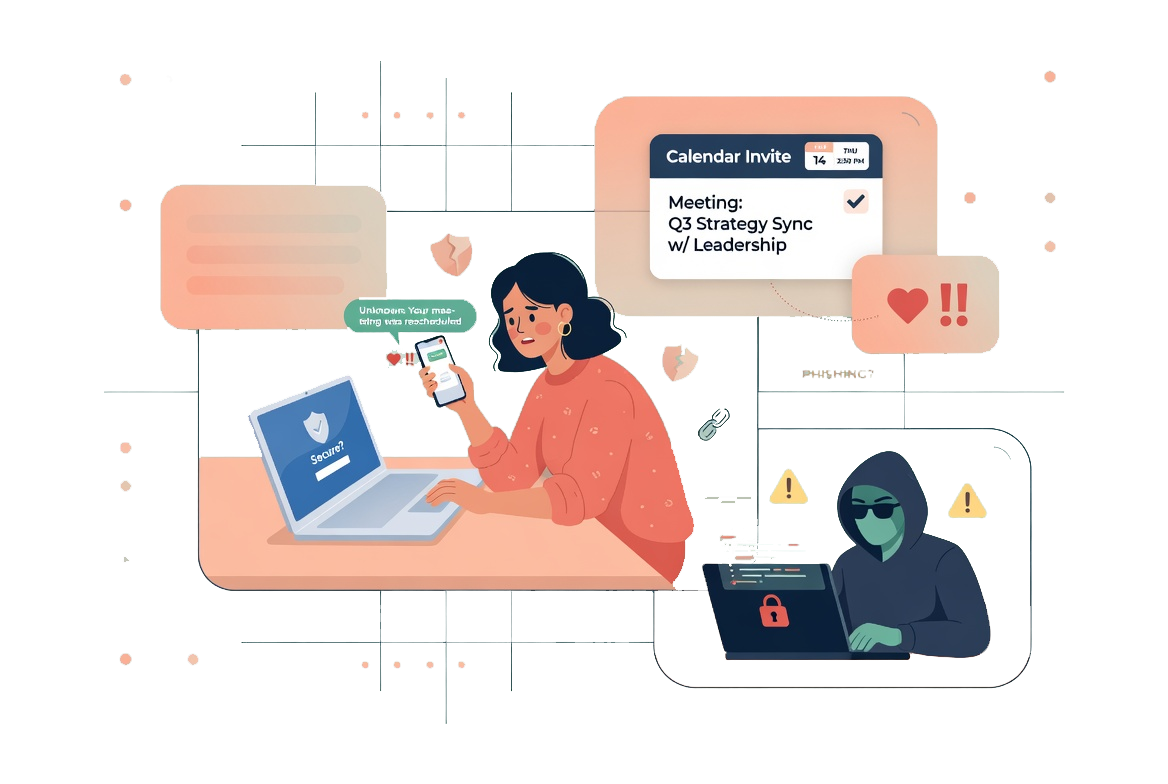
Calendar phishing works because scheduling feels administrative rather than suspicious. Here, I explain the signs to check when an invite, reschedule or meeting note lands with just enough normality to slip through.

Share
Checking read-aloud support…
Why This Topic Matters
People are often more guarded with obvious email pitches than with a calendar invite. An invite feels procedural. It looks like admin, not persuasion.
That matters because attackers know routine is disarming. A fake meeting request, reschedule or attached agenda can get less scrutiny precisely because it arrives in a format people associate with work, logistics and ordinary coordination.
What To Check First
When I want this kind of review to stay practical, I start with the details that are easy to overlook during a busy day.
That means checking:
- whether you recognise the sender outside the display name
- whether the invite arrived at a time or in a context that makes sense
- whether the links inside the event point to known scheduling or meeting platforms
- whether the message pushes you toward an attachment or login step you were not expecting
The point is not to mistrust every appointment. It is to notice when the structure looks normal but the context does not.
Build A Repeatable Routine
The safest routine is short enough to survive a full inbox and a crowded day.
The routine I would use is:
- verify the organiser through a known channel if the invite matters
- open meeting tools from your own bookmarks or app, not from the invite link
- review auto-add settings if suspicious events keep appearing in your calendar
- decline or delete anything you cannot place confidently
A short process matters here because calendar scams rely on people moving from notification to click with almost no pause.
What Usually Goes Wrong
The common mistake is assuming the calendar app has already done the verification for you. It has not. It is still just presenting information that came from somewhere else.
This is why I treat invites the same way I treat messages: the format may be different, but the trust decision is still mine.
A Better Baseline
A legitimate invite becomes easier to confirm when you slow down. A fake one depends on your day being busy enough that you skip the obvious checks.
That is the standard I care about: not friction for its own sake, but scheduling habits that stay safe under ordinary pressure.