Password reset messages you should not trust on sight
Reset messages often arrive looking responsible, urgent and helpful at exactly the moment people are least likely to verify them. Here, I explain how to treat those alerts as signals without letting them steer the response.

Share
Checking read-aloud support…
Why This Topic Matters
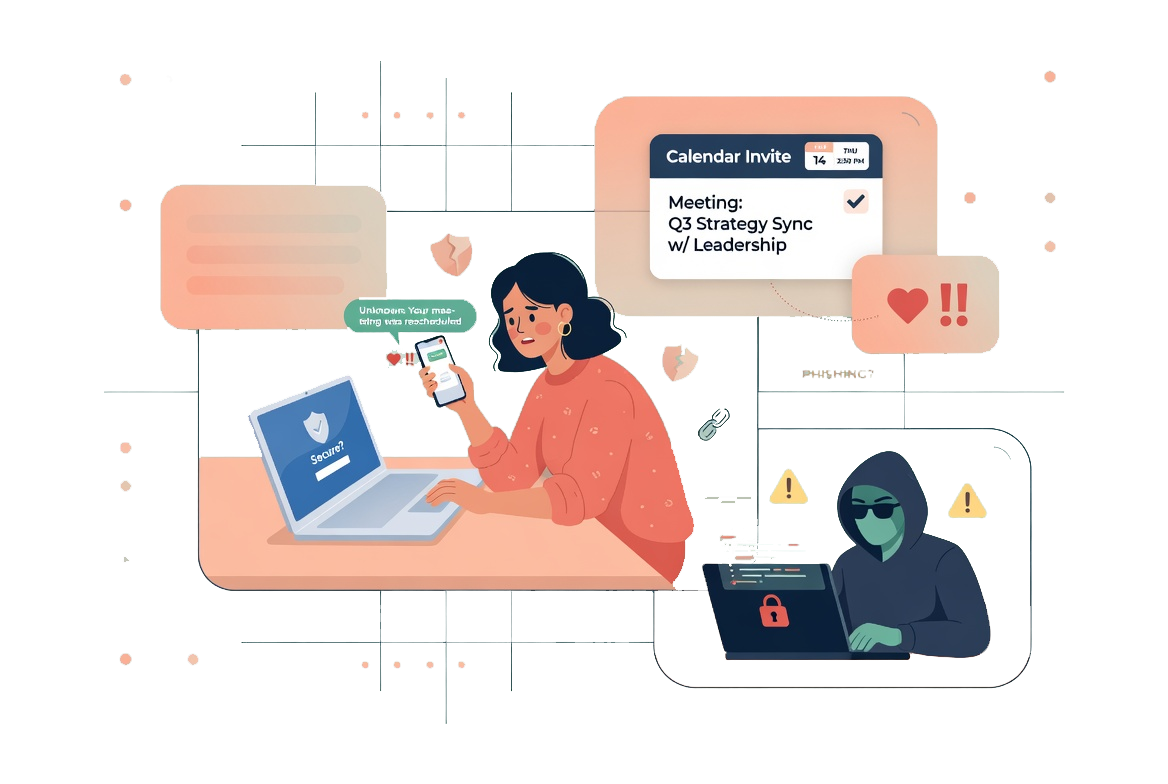
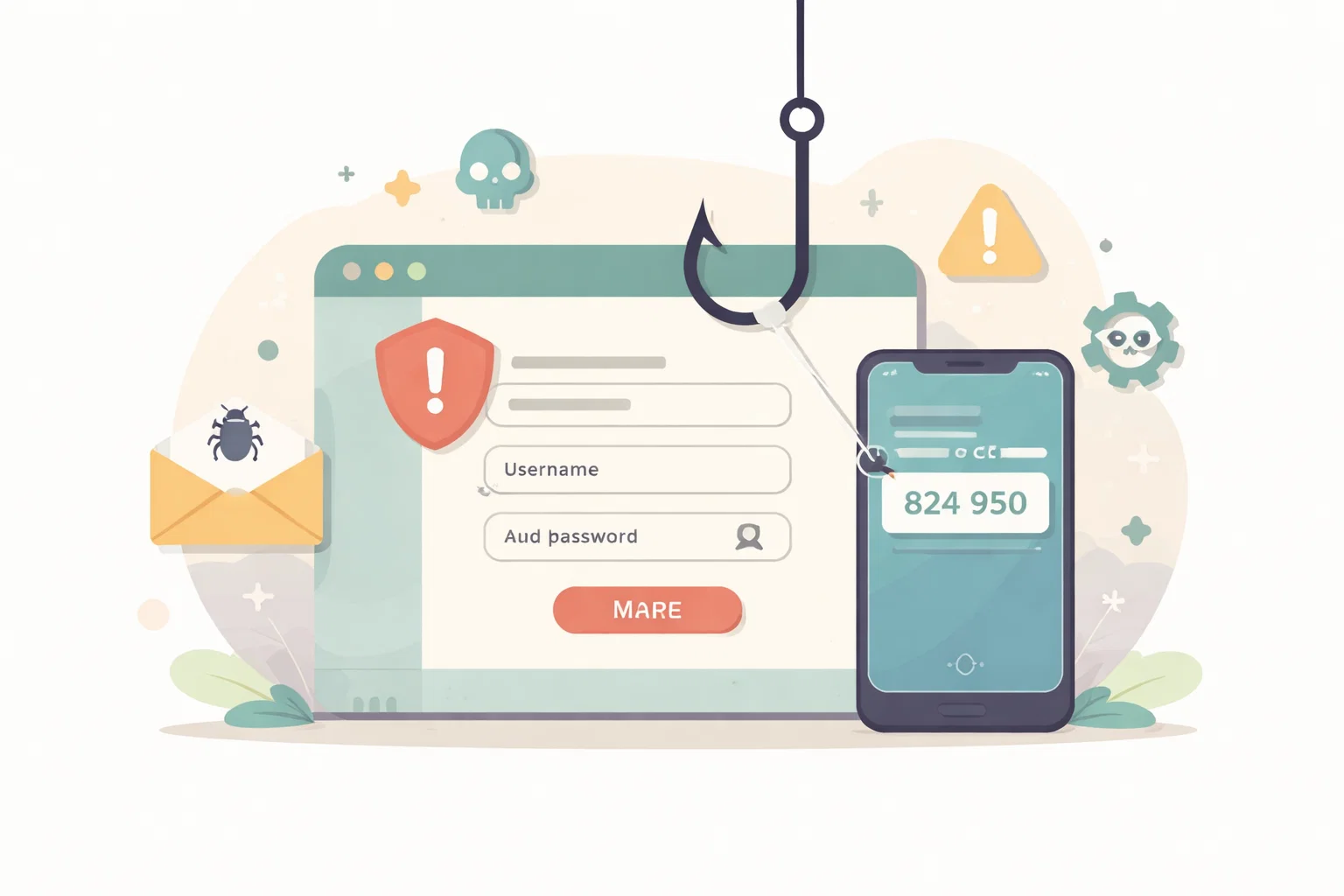
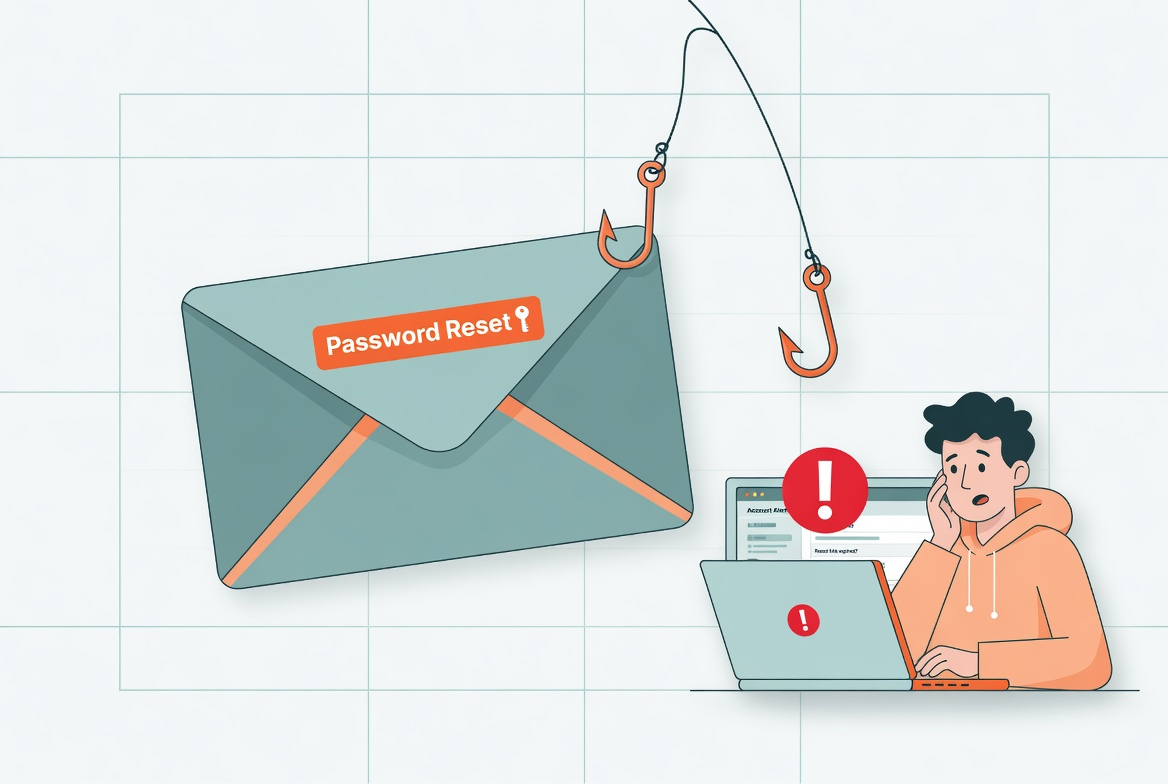
Password-reset emails and texts are awkward because they can mean two different things. They might be genuine messages triggered by your own action, or they might be bait designed to pull you into a fake recovery flow.
That matters because urgency makes people click faster. A message about account security feels like something you should deal with immediately, which is precisely what makes it useful to attackers.
What To Check First
When I want this kind of review to stay practical, I start by separating the alert from the action it is trying to produce.
That means checking:
- whether you actually requested the reset
- whether the message came through a route the service normally uses
- whether the domain, sender and link destination match the real service
- whether other security alerts appeared around the same time
The point is not to ignore the message. It is to stop the message from dictating the route you use next.
Build A Safer Response
The safest response is to treat the message as a prompt to verify, not as the tool you trust.
The routine I would use is:
- open the service directly from your own bookmark or app
- review sign-in history, recent devices and security notifications there
- change the password from the official route if the alert looks connected to real risk
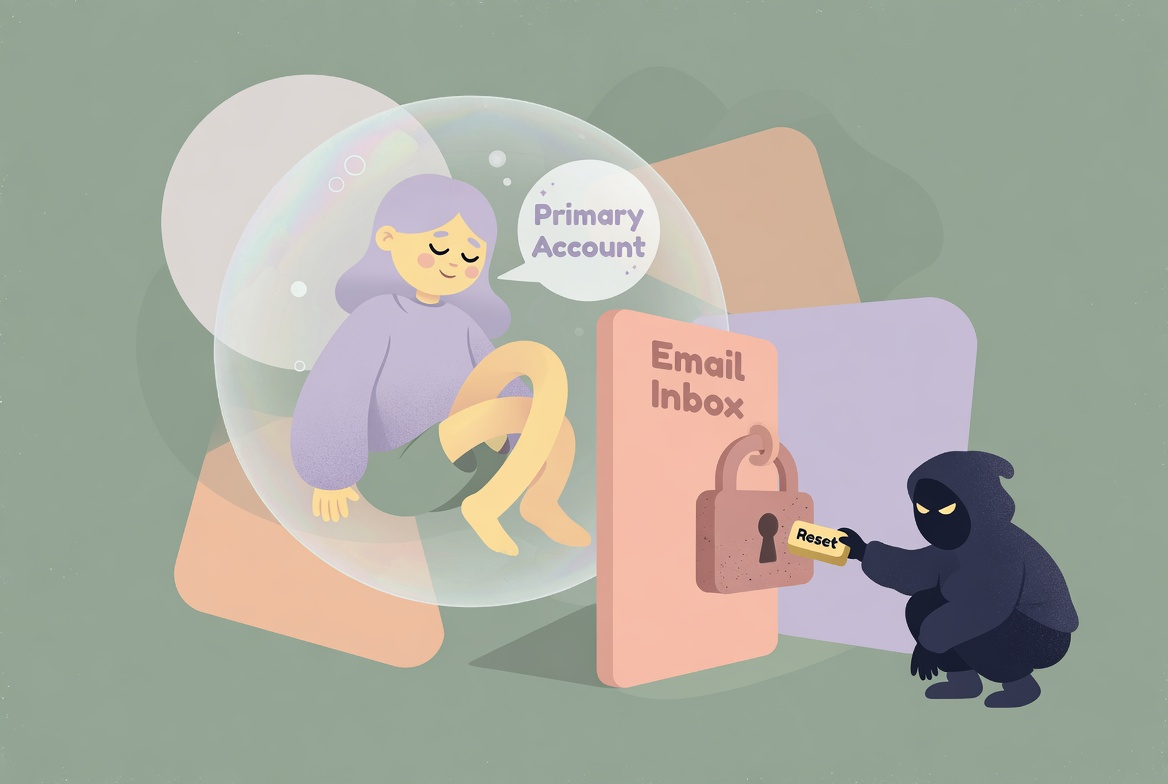
- secure the email account behind the service if anything feels off
That approach works because it keeps the recovery decision on a path you selected yourself.
What Usually Goes Wrong
The usual mistake is believing that a security-themed message is automatically part of the security solution. In reality, it may be the trap.
This is why I prefer treating unexpected reset messages as evidence to review, not instructions to obey.
A Better Baseline
A real account remains accessible when you go to it directly. A fake reset flow depends on you handing over trust to the message itself.
That is the standard I care about: not slower reaction for its own sake, but safer reactions that still move quickly enough to matter.