SIM-swap warning signs before lockout starts
A SIM swap turns your phone number into someone else’s login tool. Here, I explain the early signs, the checks worth making straight away and the habits that reduce how much damage a swap can do.

Share
Checking read-aloud support…
Why This Topic Matters
People often treat their phone number as a convenience layer. In practice, it is tied into account recovery, verification prompts and identity checks across a large part of modern life.
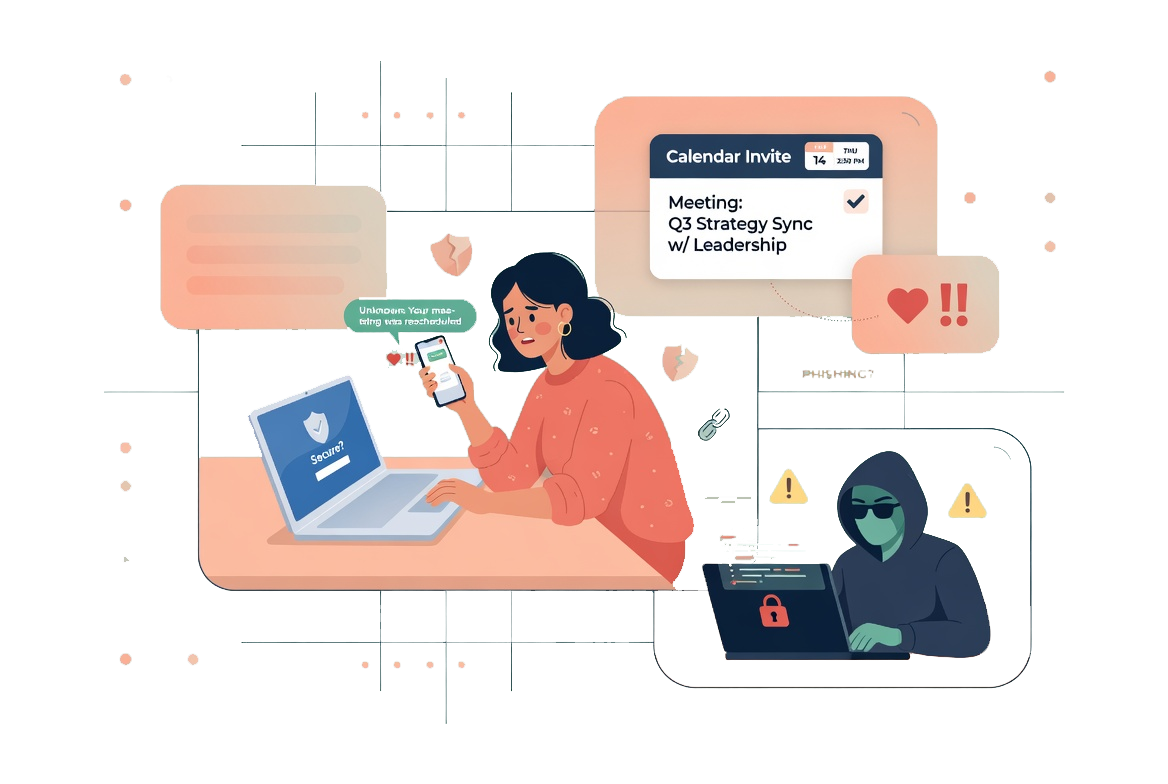
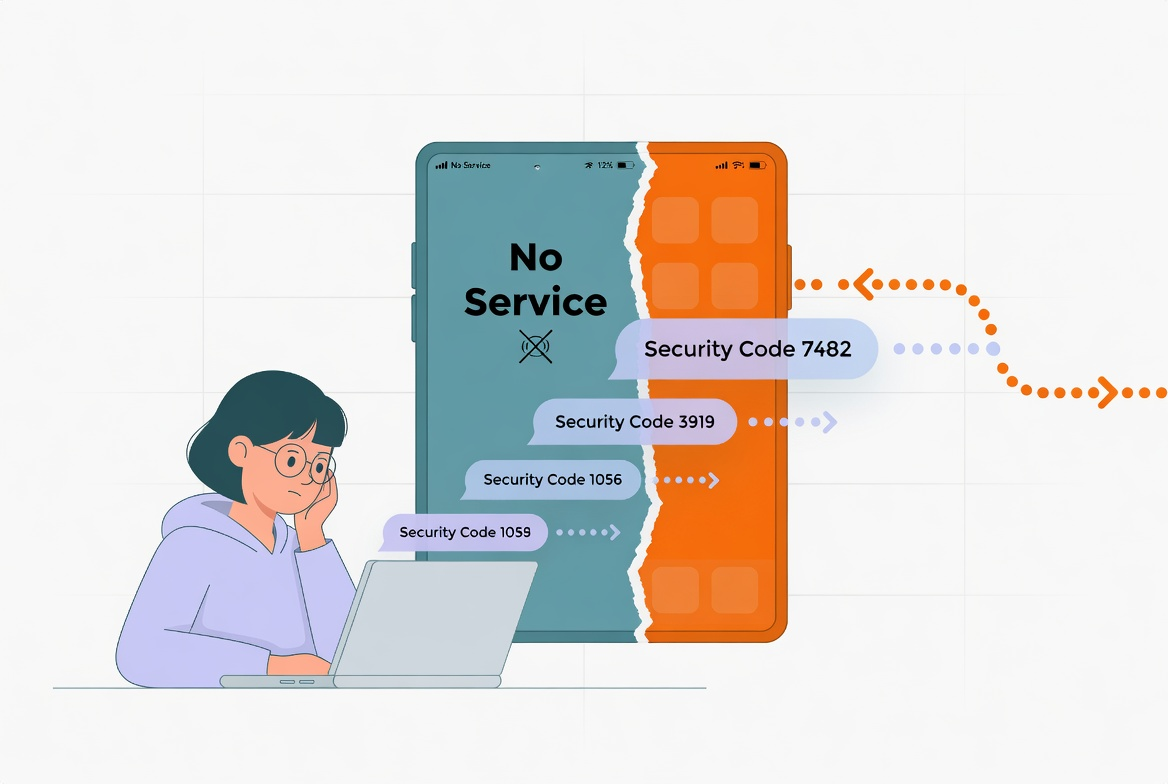
That matters because a SIM swap rarely begins with a dramatic warning. It often begins with a phone losing signal for no obvious reason while somebody else starts receiving the codes that were supposed to reach you.
What To Check First
When I want this kind of review to stay practical, I start with the signs that are easy to dismiss too quickly.
That means checking:
- sudden loss of calls, texts or mobile data without a clear outage
- carrier alerts about a SIM or eSIM change you did not request
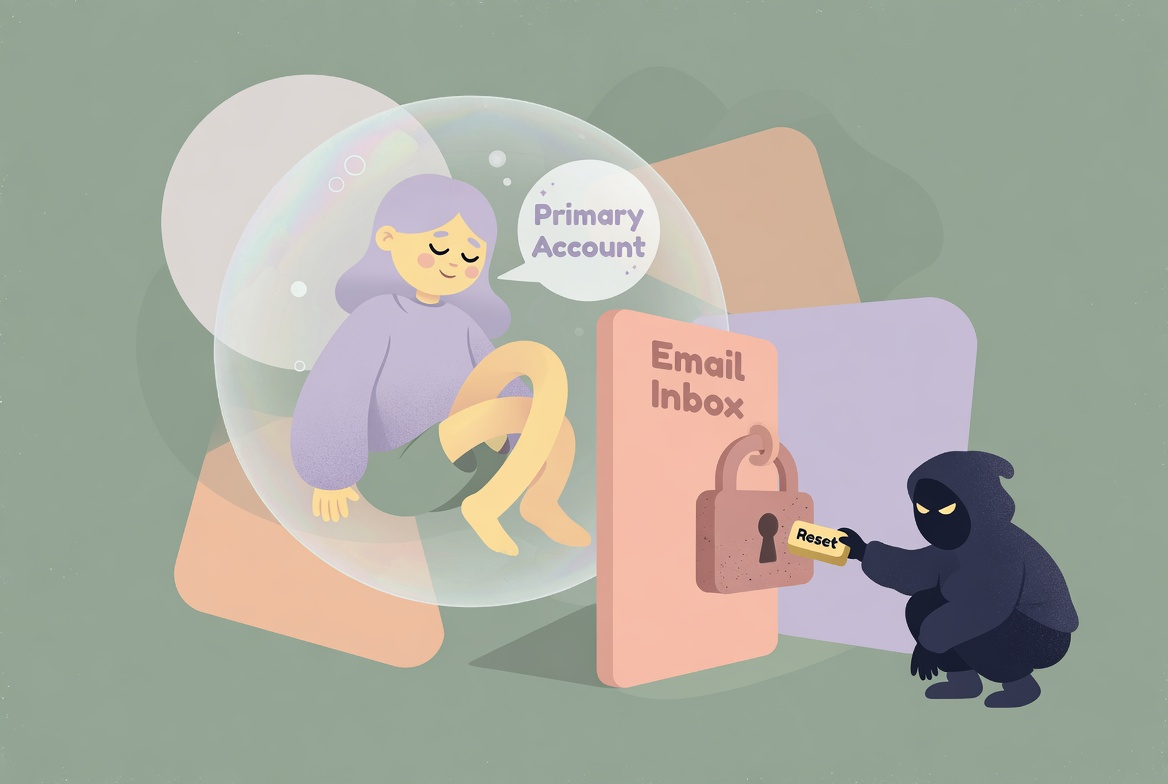
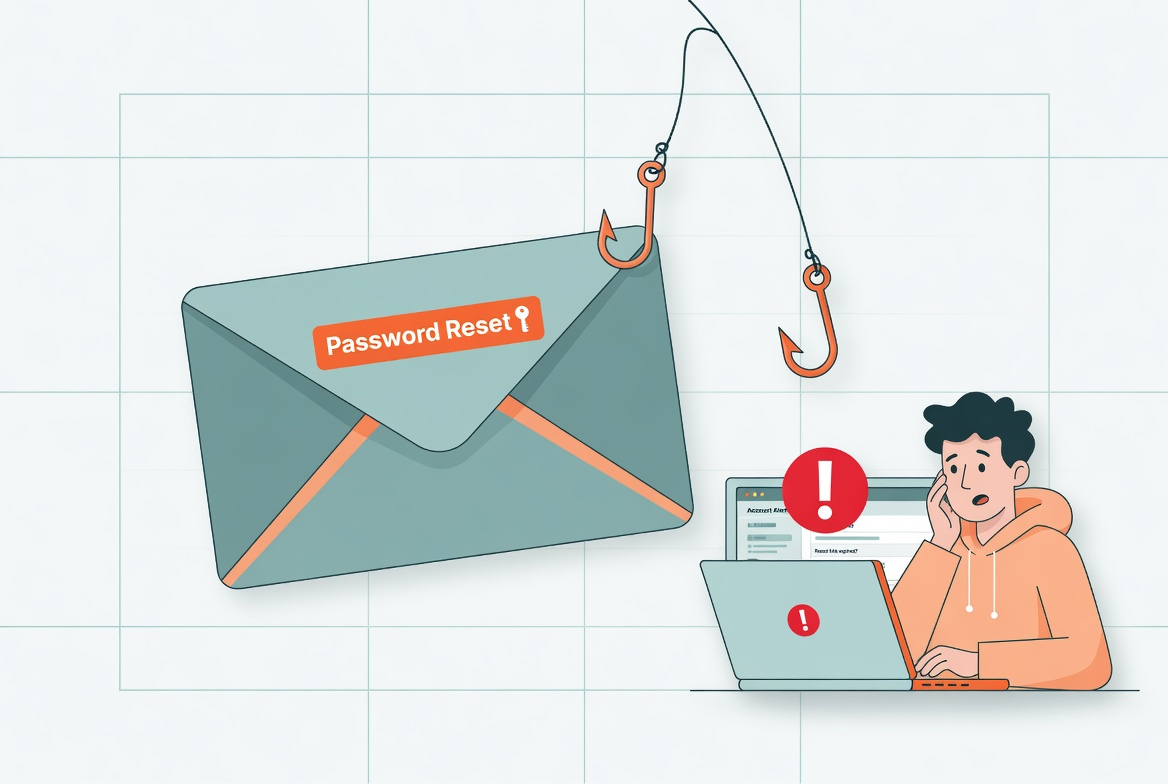
- password-reset prompts appearing around the same time as the signal loss
- important services asking you to verify sign-ins you did not start
The point is not to diagnose every possible cause from memory. It is to notice when a minor-looking device problem may actually be the start of account takeover.
Build A Fast Response Order
The safest response here is short, direct and ordered.
The routine I would use is:
- contact the carrier from another phone and ask whether the number has been moved
- change the password on your main email account from a trusted device
- review banking, shopping and identity-provider accounts for recent sign-in activity
- move important services away from SMS recovery where better options are available
A short routine matters because delay helps the attacker more than it helps you.
What Usually Goes Wrong
The common mistake is treating the first hour like a normal network issue. People restart the handset, toggle airplane mode and wait for coverage to return while the number is being used elsewhere.
That is why I prefer seeing unexplained service loss as a security signal first and a convenience problem second.
A Better Baseline
A phone number is useful, but it should not be the only thing standing between your accounts and a takeover.
That is the standard I care about: not panic, but a setup that stays recoverable even if the number itself becomes unreliable.